
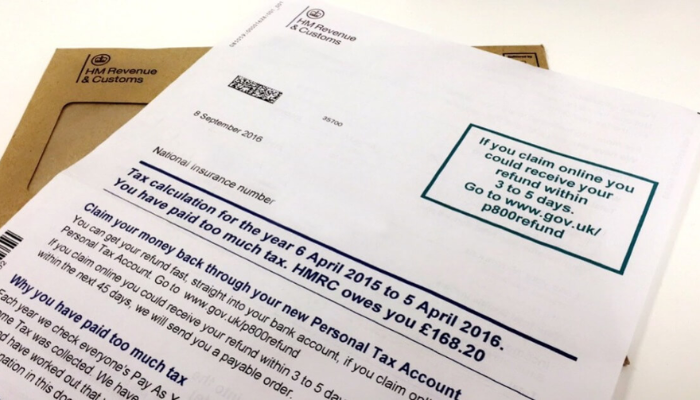
The term www gov uk p800refund has become increasingly popular among taxpayers searching for information about unexpected tax refunds from HM Revenue and Customs (HMRC). Many people receive a P800 letter or notification and immediately wonder whether the refund is genuine, how to claim it, and how long the process will take. Understanding the P800 refund system is essential because it helps taxpayers recover money they may have overpaid during the tax year.
A P800 tax calculation is issued when HMRC discovers that an employee or pensioner has paid too much or too little tax. In many cases, the result is a refund that can be claimed online or sent directly through bank transfer or cheque. However, confusion around the process often leads people to search for answers about the legitimacy of the refund, required documentation, and security concerns. This comprehensive guide explains everything you need to know about www gov uk p800refund, from eligibility and claims to avoiding scams and understanding payment timelines.
Understanding www gov uk p800refund and How It Works
The www gov uk p800refund process is connected to the UK government’s tax reconciliation system. At the end of a tax year, HMRC reviews tax information submitted by employers, pension providers, and other income sources. If the records show that an individual paid more tax than necessary, HMRC issues a P800 calculation notice.
This notice usually includes a breakdown of earnings, tax paid, and the amount that should have been paid. When there is an overpayment, taxpayers may receive instructions explaining how to claim their refund. Many refunds occur because of incorrect tax codes, changes in employment, multiple jobs, or pension adjustments during the year.
The P800 refund process is primarily designed for employees and pensioners who pay tax through the PAYE system. Unlike self-assessment taxpayers, PAYE individuals often do not manually calculate taxes, so HMRC automatically reviews their records. This automated review helps identify discrepancies and return excess payments to taxpayers.
One important aspect of the www gov uk p800refund system is convenience. HMRC now encourages online claims through official government portals. Taxpayers can securely verify their identity and request direct bank transfers, making the process significantly faster than traditional paper methods. Digital processing has improved efficiency and reduced waiting times for refunds.
Another reason why the P800 system matters is financial accuracy. Overpaying taxes can affect personal budgeting and savings. Receiving a refund may provide unexpected financial relief, especially during times of economic uncertainty. Therefore, understanding the refund process ensures taxpayers can confidently claim money that rightfully belongs to them.
Who Qualifies for a www gov uk p800refund?
Eligibility for a www gov uk p800refund depends on whether HMRC identifies an overpayment during the tax year. Several situations commonly trigger refunds. One of the most frequent causes is a change in employment status. For example, if someone switches jobs and the new employer uses an emergency tax code, too much tax may be deducted temporarily.
Employees with multiple jobs may also experience incorrect tax deductions. When tax codes are not properly allocated across different income sources, HMRC may later discover that the taxpayer paid more than necessary. Pensioners are another group frequently affected, especially when receiving income from both pensions and employment.
Redundancy payments can also lead to overpaid taxes. If an employee leaves a job mid-year and remains unemployed for some time, they may not have used their full annual tax-free allowance. As a result, HMRC may determine that a refund is owed after reviewing the yearly earnings total.
Seasonal workers and individuals with fluctuating income levels are often eligible for refunds as well. Since PAYE calculations occur in real time, temporary spikes in income may lead to excessive deductions that are corrected later during HMRC’s reconciliation process.
Another common scenario involves workplace benefits and expenses. Employees who paid professional fees, work-related travel costs, or uniform expenses may qualify for tax relief. If these adjustments were not initially applied, HMRC might later issue a refund through the P800 process.
Importantly, not every P800 notice means money is owed to the taxpayer. In some cases, HMRC determines that too little tax was paid. However, when a refund is identified, the taxpayer can usually claim it through the official online service associated with www gov uk p800refund.
Step-by-Step Process for Claiming a www gov uk p800refund
Claiming a www gov uk p800refund is generally straightforward, but understanding the steps can help avoid delays and confusion. The first step is receiving a P800 notification from HMRC. This may arrive by post or through a secure digital message if the taxpayer uses an online government account.
Once the notice is received, taxpayers should carefully review all details. The calculation should include total income, tax paid, tax owed, and the refund amount. It is important to verify that employment records and earnings information are accurate before proceeding with the claim.
The next step usually involves identity verification. HMRC may request information such as a National Insurance number, passport details, or banking information. Security measures are designed to prevent fraud and ensure refunds are paid to the correct individual.
After verification, taxpayers can choose how they want to receive their refund. Most people prefer direct bank transfer because it is faster and more secure. In some cases, HMRC may automatically send a cheque if no online claim is made within a certain period.
Timing is another major concern for taxpayers searching for www gov uk p800refund information. Online claims are often processed within days, while cheque payments may take several weeks. Delays can occur during busy tax seasons or if additional verification checks are required.
Taxpayers should also keep copies of all correspondence and calculations. Maintaining accurate records helps resolve disputes or clarify issues if discrepancies arise later. Organized documentation is especially useful for individuals with multiple income sources or complex employment histories.
The digitalization of HMRC services has significantly improved the claiming experience. Many taxpayers appreciate the ability to complete the process online without mailing forms or visiting tax offices. However, individuals unfamiliar with online systems may still request assistance or use alternative methods provided by HMRC.
Common Problems and Scams Related to www gov uk p800refund
As searches for www gov uk p800refund continue to grow, scammers increasingly target taxpayers using fake refund messages and fraudulent websites. Criminals often send emails or text messages pretending to be from HMRC, claiming the recipient is entitled to a refund.
These scam messages typically create urgency by asking users to click suspicious links or provide personal information. Some even imitate official government branding to appear legitimate. Taxpayers should remember that HMRC does not ask for sensitive financial information through unsolicited text messages or emails.
One of the best ways to avoid scams is to verify communications carefully. Genuine HMRC correspondence usually directs taxpayers to official government channels rather than random external websites. Checking spelling, grammar, and web addresses can also help identify fraudulent communications.
Another common issue involves delayed refunds. Some taxpayers become concerned when payment does not arrive immediately after submitting a claim. Delays can happen for various reasons, including identity checks, incorrect banking details, or high claim volumes during tax season.
Incorrect tax calculations may also create complications. If a taxpayer believes the P800 amount is inaccurate, they should contact HMRC promptly to request clarification. Providing supporting documents such as payslips or P60 forms can help resolve discrepancies more efficiently.
Technical issues occasionally affect online claims as well. Government systems may experience maintenance periods or temporary outages. Patience and accurate data entry are important when navigating digital services. Avoid submitting multiple claims unnecessarily, as this can further delay processing.
Security awareness remains essential throughout the refund process. Taxpayers should only access refund services through official government platforms and never share passwords or financial details with unverified sources. Understanding these risks helps ensure the www gov uk p800refund process remains safe and stress-free.
Benefits of Understanding the www gov uk p800refund System
Learning how the www gov uk p800refund system works offers several financial and practical advantages. The most obvious benefit is recovering money that may have been overpaid in taxes. Even relatively small refunds can contribute to household expenses, savings goals, or debt reduction.
Another major advantage is improved financial awareness. Many taxpayers pay little attention to tax codes and deductions until a refund or problem arises. Understanding the P800 process encourages individuals to monitor payslips, tax codes, and annual earnings more carefully.
Knowledge of the refund system also helps taxpayers respond confidently to official HMRC communications. Instead of feeling confused or anxious after receiving a P800 notice, informed individuals can quickly verify the details and complete the necessary steps.
Digital access is another positive aspect of modern tax management. The online claiming process connected with www gov uk p800refund has simplified interactions with HMRC. Faster bank transfers, electronic verification, and online account access provide greater convenience than traditional paper-based systems.
Awareness of scams is equally important. Educated taxpayers are less likely to fall victim to phishing schemes or fraudulent refund offers. Since cybercriminals often target individuals expecting tax refunds, understanding official procedures provides an extra layer of protection.
Employers and payroll departments also benefit when employees understand tax calculations. Clear communication regarding tax codes and payroll adjustments reduces confusion and minimizes errors that might otherwise lead to overpayments or underpayments.
Ultimately, understanding the P800 refund system empowers taxpayers to manage their finances more effectively. Whether the refund amount is small or substantial, being informed ensures that individuals can confidently navigate the process and protect their personal information.
Conclusion
The www gov uk p800refund process plays a crucial role in helping UK taxpayers recover overpaid taxes through HMRC’s reconciliation system. Whether caused by incorrect tax codes, job changes, pension adjustments, or fluctuating income, overpayments are more common than many people realize. Understanding how P800 notices work can save time, reduce stress, and ensure refunds are claimed securely.
As digital tax services continue to evolve, taxpayers now have faster and more convenient ways to access refunds. However, increased online activity has also created opportunities for scammers, making awareness and caution more important than ever. By verifying communications, reviewing tax calculations carefully, and following official procedures, individuals can safely navigate the refund process.
The key to a smooth experience is staying informed. Knowing who qualifies, how claims are processed, and what problems may arise helps taxpayers make confident decisions. Whether you recently received a P800 notice or simply want to understand the system better, mastering the details of www gov uk p800refund can provide valuable financial benefits and greater peace of mind.
FAQs About www gov uk p800refund
1. What is a P800 refund?
A P800 refund is a tax refund issued by HMRC when a taxpayer has paid more tax than required during the tax year.
2. Who receives a P800 calculation?
Employees and pensioners paying tax through PAYE commonly receive P800 calculations after HMRC reviews their annual tax records.
3. How do I claim my P800 refund?
You can usually claim it online by verifying your identity and providing bank details for payment.
4. How long does a P800 refund take?
Online refunds may arrive within a few working days, while cheque payments can take several weeks.
5. Can a P800 notice be fake?
Yes, scammers sometimes imitate HMRC communications. Always verify that messages come from official government sources.
6. Why did I overpay tax?
Common reasons include incorrect tax codes, job changes, multiple employments, or pension adjustments.
7. Do I need to pay tax on my refund?
No, a tax refund is simply the return of overpaid taxes and is generally not taxable income.
8. What should I do if the calculation seems wrong?
Contact HMRC and provide supporting documents such as payslips or P60 forms for review.
9. Can I receive my refund by bank transfer?
Yes, most taxpayers can choose direct bank transfer for quicker payment processing.
10. What happens if I ignore a P800 notice?
If you do not respond, HMRC may eventually send a cheque, but delays could occur depending on the situation.
