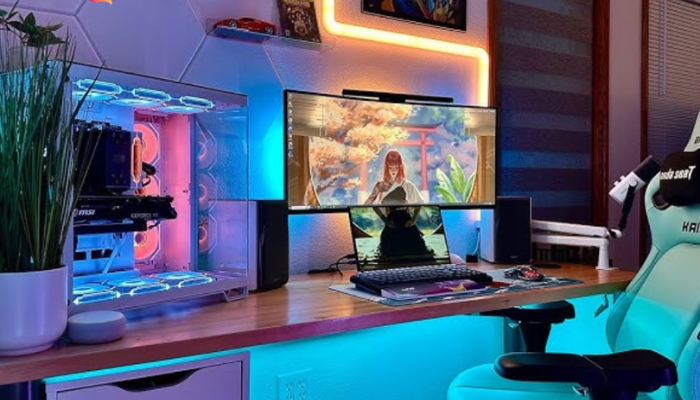
If you’re looking to set up for pblemulator, you’re in the right place. Whether you’re a beginner exploring emulation for the first time or a seasoned user wanting to optimize performance, understanding the correct setup process is essential. A poorly configured emulator can lead to lag, crashes, or compatibility issues, while a properly configured one delivers smooth performance and an enjoyable experience.
In this comprehensive guide, we’ll walk you through everything you need to know about set up for pblemulator, from installation to advanced configuration. You’ll learn how to prepare your system, configure settings, troubleshoot common issues, and enhance your overall experience. Let’s dive in and make your emulator setup seamless and efficient.
Understanding Pblemulator and Its System Requirements
Before you begin the set up for pblemulator, it’s important to understand what the software actually does. Pblemulator is designed to replicate specific environments or systems on your device, allowing you to run applications or games that might not be natively supported. This makes it an incredibly powerful tool for both entertainment and development purposes.
To ensure optimal performance, your system must meet certain minimum and recommended requirements. Typically, this includes a decent processor, sufficient RAM, and updated graphics drivers. While the emulator may run on lower-end systems, you may experience lag or reduced functionality. Investing time in checking your system compatibility beforehand can save you from frustration later.
Another crucial factor is storage and operating system compatibility. Make sure you have enough disk space for installation files, updates, and additional resources like ROMs or plugins. Additionally, verify that your operating system supports the latest version of pblemulator, as outdated systems may lead to errors or limited functionality.
Step-by-Step Installation Guide for Pblemulator
The installation process is the foundation of a successful set up for pblemulator. Begin by downloading the official installation file from a trusted source. Once downloaded, run the installer and follow the on-screen instructions carefully. Most installations are straightforward, but it’s important to customize settings when prompted rather than blindly clicking “Next.”
During installation, you may be asked to select components or directories. Choose locations that are easy to access and have sufficient storage. Avoid installing the emulator on a drive with limited space, as this can cause performance issues later. Additionally, ensure that your antivirus software does not interfere with the installation process.
After installation is complete, launch the emulator for the first time. This initial launch often triggers setup prompts, including language preferences, default settings, and file directories. Take your time to configure these options properly, as they form the backbone of your emulator’s performance and usability.
Configuring Settings for Optimal Performance
Once installation is complete, the next critical step in the set up for pblemulator process is configuration. Proper settings can dramatically improve performance and stability. Start by adjusting graphics settings according to your hardware capabilities. If you have a high-end GPU, you can enable advanced rendering options, while lower-end systems should stick to basic configurations.
Audio and input settings are equally important. Configure your audio output to match your system for clear sound, and map your controls for a comfortable experience. Many users overlook input customization, but it can significantly enhance usability, especially if you’re using a controller instead of a keyboard.
Another key aspect is performance tuning. Allocate the appropriate amount of RAM and CPU cores to the emulator. Over-allocating resources can slow down your system, while under-allocating can cause lag within the emulator. Finding the right balance is essential for smooth operation.
Troubleshooting Common Issues During Setup
Even with a proper set up for pblemulator, you may encounter occasional issues. One of the most common problems is the emulator failing to launch. This can often be resolved by updating your drivers, reinstalling the software, or running it with administrator privileges.
Another frequent issue is lag or stuttering during use. This is usually related to incorrect configuration settings or insufficient hardware resources. Lowering graphics settings, closing background applications, and updating your system can often resolve these problems.
Compatibility issues may also arise when running certain files or applications. In such cases, ensure that your files are supported by the emulator and that you have the necessary plugins installed. Keeping your emulator updated to the latest version can also help fix bugs and improve compatibility.
Advanced Tips to Enhance Your Pblemulator Experience
After completing the basic set up for pblemulator, you can explore advanced features to enhance your experience. One such feature is the use of plugins and add-ons. These can extend functionality, improve graphics, or add new capabilities to the emulator. Always choose trusted plugins to avoid security risks.
Another advanced tip is optimizing your system environment. Regularly update your operating system, drivers, and emulator software to ensure peak performance. You can also use performance-monitoring tools to identify bottlenecks and make necessary adjustments.
Customization is another powerful aspect of pblemulator. From interface themes to control schemes, tailoring the emulator to your preferences can significantly improve usability. Experiment with different configurations until you find what works best for you.
Conclusion
Setting up an emulator doesn’t have to be complicated. With the right approach, the set up for pblemulator can be a smooth and rewarding process. By understanding system requirements, carefully installing the software, optimizing settings, and addressing common issues, you can achieve a seamless experience.
Remember, the key to success lies in patience and attention to detail. Take your time to explore different configurations and enhancements. Once properly set up, pblemulator can open the door to endless possibilities, whether for gaming, development, or experimentation.
FAQs
1. What is pblemulator used for?
Pblemulator is used to replicate specific systems or environments, allowing users to run applications or games not natively supported.
2. Is pblemulator free to use?
In most cases, pblemulator is available for free, though some versions or features may require payment.
3. Can I set up for pblemulator on a low-end PC?
Yes, but performance may be limited. Adjusting settings can help improve usability.
4. Why is my pblemulator running slowly?
Slow performance is often caused by insufficient resources or incorrect configuration settings.
5. Do I need a GPU for pblemulator?
A GPU is recommended for better performance, especially for graphics-intensive tasks.
6. How do I update pblemulator?
You can update it through the official software update feature or by downloading the latest version.
7. Can I use a controller with pblemulator?
Yes, most emulators support controller configuration for improved gameplay.
8. What should I do if pblemulator crashes?
Try updating drivers, reinstalling the emulator, or adjusting settings.
9. Are plugins necessary for pblemulator?
Plugins are optional but can enhance functionality and performance.
10. How long does it take to set up for pblemulator?
The setup process typically takes 15–30 minutes, depending on your system and configuration needs.